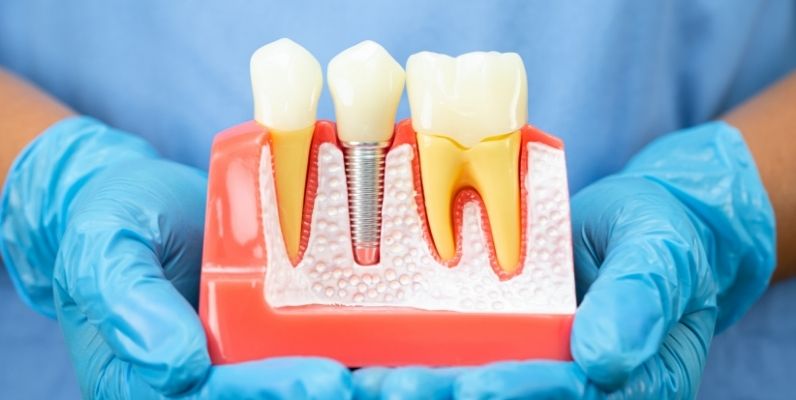
If you are missing one or more teeth, you have probably come across implants as a long-term solution. But safety is usually the first concern people have before moving forward. It is a fair question. You want something that feels natural, lasts, and does not put your health at risk. Understanding how implants work, what to expect, and how often they succeed can help you make a confident decision.
In modern dentistry, implant placement surgery is a well-planned procedure that replaces a tooth root with a small titanium post. Dentists use advanced imaging and careful evaluation to make sure the process fits your oral health needs. For most patients, the procedure is predictable and widely trusted.
Are Implants Safe? What You Should Know
Implants have been used for decades and continue to show strong safety records. Dentists place them in the jawbone, where they fuse with the bone over time. This process creates a stable base for a crown that looks and functions like a natural tooth.
Why they are considered safe
- Biocompatible material
The titanium used integrates with bone without causing harmful reactions.
- Proven track record
Studies consistently show high success rates, often above ninety percent, when placed in healthy conditions.
- Personalized planning
Dentists evaluate bone density, gum health, and medical history before recommending treatment.
Possible risks to keep in mind
No procedure is completely risk-free, and it helps to be aware of potential concerns:
- Infection at the site if proper care is not followed
- Nerve irritation in rare cases
- Implant failure if the bone does not bond properly
These risks remain uncommon, especially when an experienced dental team handles the procedure, and patients follow aftercare instructions.
Benefits That Make Implants a Popular Choice
Patients often choose implants because they do more than just fill a gap. They support long-term oral health and daily comfort.
- Natural look and feel
They blend with your smile and function like real teeth.
- Jawbone support
They help prevent bone loss that often follows missing teeth.
- Stable and durable
Unlike removable options, they stay fixed and can last for years with good care.
- Improved confidence
Eating, speaking, and smiling feel more natural again.
Success Rates and What Affects Them
Implants have a strong success rate, but outcomes can vary depending on individual factors.
Good oral hygiene plays a big role. Brushing, flossing, and routine checkups help protect both the implant and the surrounding gums. Smoking can slow healing and increase the chance of complications. Conditions like uncontrolled diabetes may also affect how well the implant bonds with bone.
Patients in Longmont often ask how long implants last. With proper care, they can remain stable for many years, making them one of the most reliable tooth replacement options available today.
Ready to Take the Next Step Toward a Stronger Smile?
A complete smile can change how you eat, speak, and feel every day. If you are thinking about restoring missing teeth, now is a great time to explore your options.
- Get a personalized evaluation tailored to your needs
- Understand your treatment plan before you begin
- Experience care that focuses on long-term results
Schedule your consultation with Mertz Family Dentistry today and take the first step toward a confident smile. Visit our dental office in Longmont and let our team guide you through a safe and comfortable treatment experience.
FAQs :
Do implants hurt?
Most people report mild discomfort after the procedure, similar to other dental treatments. It usually improves within a few days.
How long does healing take?
Healing can take a few months as the implant bonds with the bone, but this varies by patient.
Can anyone get implants?
Most adults qualify, but your dentist will check bone health and medical history first.
How do I care for them?
Care is simple. Brush, floss, and visit your dentist regularly.