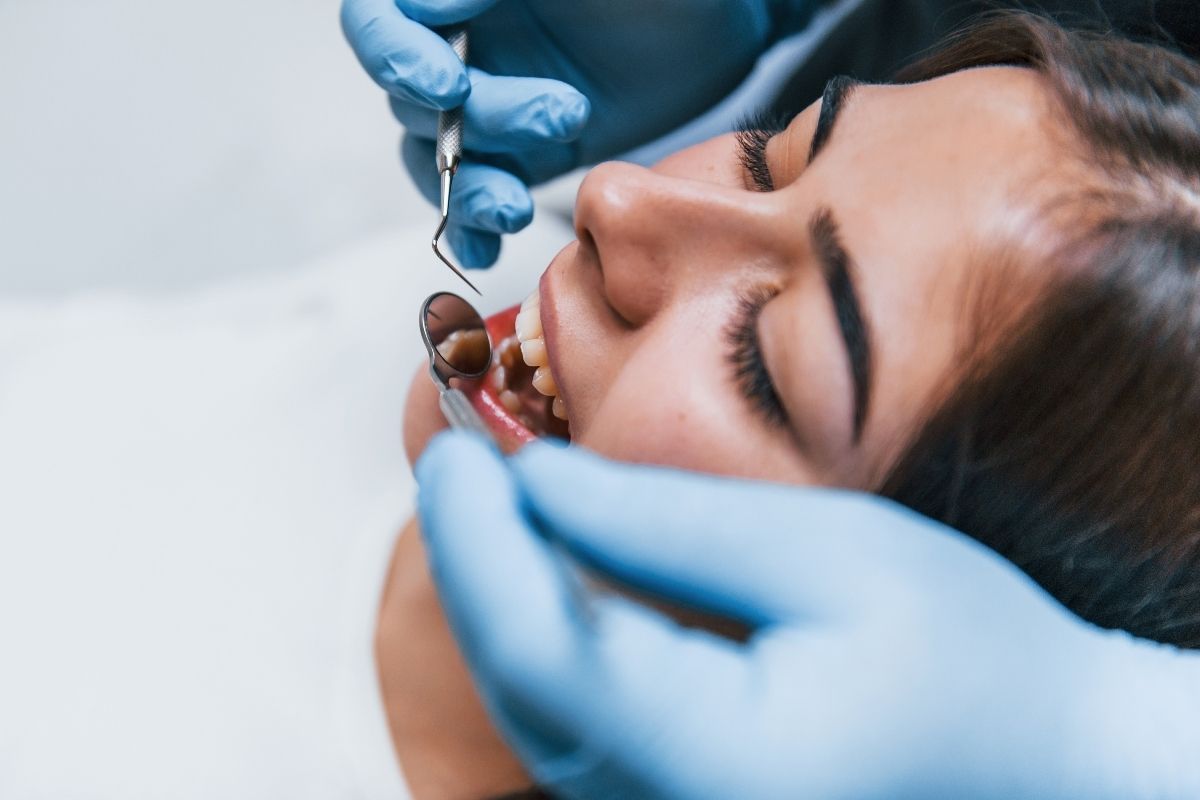
Finding a white patch inside your mouth can be unsettling. The good news is that not every white patch is a sign of a serious problem, but it should never be ignored. Some patches develop from irritation, while others may point to an infection or a condition that needs professional evaluation. If a white patch does not go away within about two weeks, changes in size or texture, or becomes painful, it is time to schedule an examination.
Why Do White Patches Appear?
The lining of your mouth constantly responds to irritation, bacteria, fungi, and changes in your overall health. When something disrupts this balance, white patches can develop.
Some of the most common causes include:
Friction from accidentally biting your cheek or irritation from a rough tooth
Oral thrush, which is a fungal infection
Leukoplakia, a condition that causes thickened white patches
Lichen planus, an inflammatory condition affecting the mouth
Dry mouth or irritation caused by tobacco use
The appearance alone cannot confirm the cause, which is why an oral examination is important.
When Is a White Patch a Cause for Concern?
Many white patches disappear after the source of irritation is removed. However, some signs deserve prompt attention.
Watch for patches that:
Last longer than two weeks
Cannot be wiped away
Become thicker over time
Bleed easily
Cause persistent pain or difficulty swallowing
Appear alongside a lump or sore
A persistent white patch should always be evaluated because early diagnosis can make treatment simpler and more effective.
Common Conditions That Can Cause White Patches
Oral Thrush
Oral thrush is caused by an overgrowth of yeast in the mouth. It often creates creamy white patches that may wipe away, leaving a red surface underneath. It is more common in people using inhalers, taking antibiotics, or living with certain health conditions.
Leukoplakia
Leukoplakia appears as thick white patches that usually cannot be rubbed off. While many cases are harmless, some may contain abnormal cells that require monitoring or further testing.
Oral Lichen Planus
This long-term inflammatory condition often creates delicate white lines or patchy areas inside the cheeks. Some people also experience soreness when eating spicy or acidic foods.
Irritation From Trauma
A rough filling, a cracked tooth, or repeated cheek biting may trigger a white patch as the tissue protects itself. Removing the source of irritation often allows the area to heal naturally.
How Is the Cause Diagnosed?
A dentist will examine the size, texture, location, and appearance of the patch while discussing your symptoms and medical history. In some situations, additional testing or a small tissue sample may be recommended to rule out more serious conditions.
If needed, you may also be referred to a Dental specialist for further evaluation and treatment.
Can White Patches Be Treated?
Treatment depends entirely on the underlying cause.
Fungal infections usually respond well to antifungal medication.
Irritation-related patches often improve after correcting the source of friction.
Inflammatory conditions may require prescription medication.
Persistent or suspicious patches may need additional testing or removal.
Trying home remedies without knowing the cause may delay proper care.
Simple Ways to Protect Your Oral Health
You can lower your risk of certain oral conditions by:
Brushing and flossing every day
Drinking enough water to reduce dry mouth
Scheduling routine dental checkups
Avoiding tobacco products
Paying attention to changes inside your mouth
Checking your mouth regularly makes it easier to notice changes before they become bigger problems.
Don’t Wait to Get Answers
A white patch may be harmless, but it is not something to ignore. If the area does not improve within two weeks or you notice changes, having it examined is the safest next step.
If you are concerned about a white patch or another unusual change, contact Mertz Family Dentistry to schedule an appointment. Our team proudly serves patients in Longmont and is here to help you protect your oral health with timely, personalized care.
Frequently Asked Questions :
1. Can a white patch in the mouth go away on its own?
Yes. White patches caused by minor irritation may heal once the source is removed. If the patch remains for more than two weeks, it should be examined.
2. Can stress cause white patches in the mouth?
Stress does not usually cause white patches directly, but it may contribute to conditions that make oral problems more noticeable or harder to heal.
3. Are all white patches a sign of oral cancer?
No. Most white patches have noncancerous causes, but persistent patches should always be checked to rule out serious conditions.
4. Can I scrape off a white patch?
It depends on the cause. Some fungal patches may wipe away, while others cannot. Avoid scraping the area and seek a professional evaluation instead.