
Is It Normal for a Dental Implant to Hurt?
Yes, some discomfort is normal. Most people feel soreness, swelling, and tenderness for the first few days after surgery, and that discomfort usually fades within one to two weeks. Pain that gets worse after the first week, throbs nonstop, or comes with fever, pus, or a loose implant is not normal, and you should call your dentist right away.
Below, you’ll find what recovery should feel like, which symptoms deserve attention, and what you can do at home to feel better.
How Much Pain Is Normal After Implant Surgery, and How Long Does It Last?
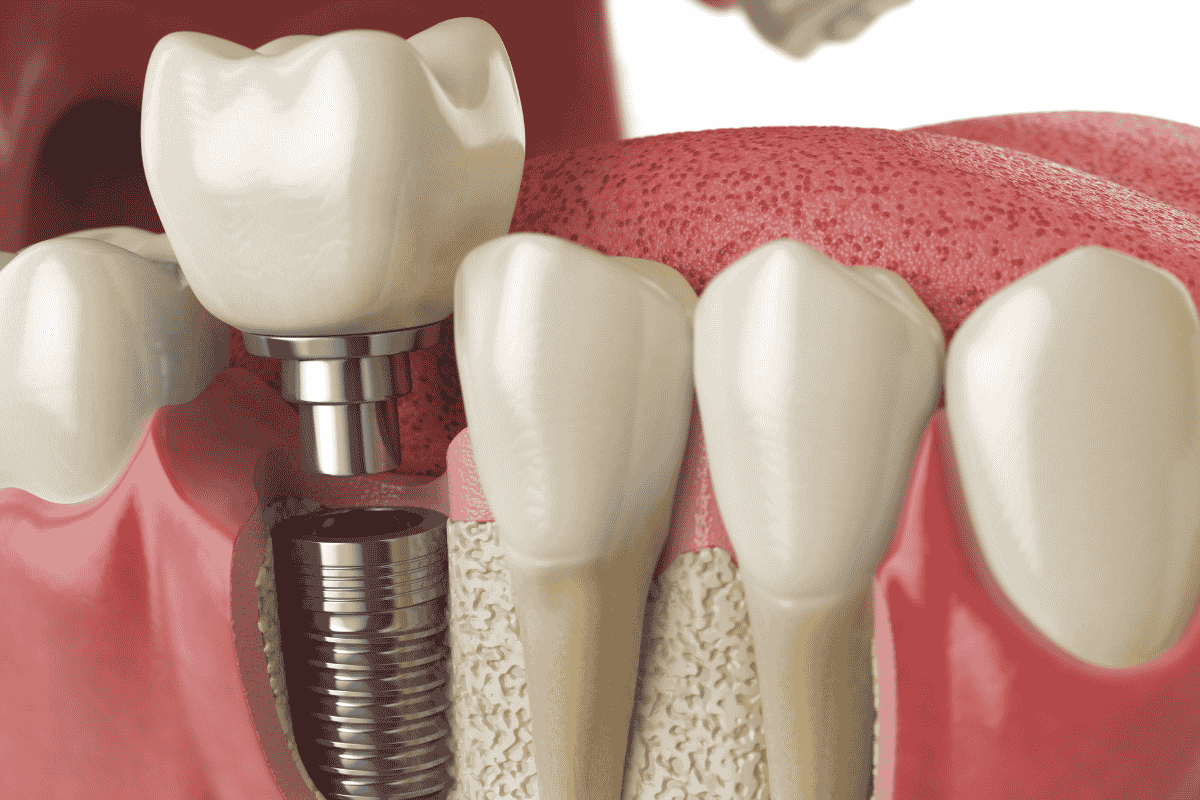
Surgeons place a titanium post into your jawbone, so your body treats the area like any other surgical site. Expect mild to moderate soreness, swelling, bruising, and a dull ache around the implant and sometimes in the nearby cheek or jaw.
Here is a typical timeline:
- Days 1 to 3: This is the peak. You’ll likely notice the most swelling and tenderness, and you may see light bleeding or pink saliva.
- Days 4 to 7: Swelling starts to drop. The ache feels more like a bruise than a sharp pain.
- Weeks 2 to 3: Most people feel nearly normal. Gums look healthier and chewing on the other side feels easy.
- Months 3 to 6: The implant fuses with your bone. You shouldn’t feel pain during this stage, though you may notice occasional tenderness when your dentist attaches the crown.
Pain levels also depend on the procedure. A single implant in healthy bone often feels easier than several implants, a bone graft, or a sinus lift. If you needed an extraction on the same day, expect a bit more soreness.
When Does Implant Pain Signal a Problem?
Normal pain improves day by day. Problem pain stays the same, gets worse, or returns after it faded. Watch for these signs:
- Throbbing pain that increases after day five to seven. This can point to infection.
- Fever, bad taste, pus, or swelling that keeps growing. These are classic infection signs, and infections around an implant can damage the bone that holds it.
- An implant that feels loose or shifts when you touch it. A stable implant should feel like part of your jaw.
- Numbness, tingling, or burning in your lip, chin, or tongue. Occasionally, an implant sits close to a nerve and irritates it. Report this quickly, because early action matters.
- Pain when you bite down. A crown that sits too high, or a bite that needs adjusting, can overload the implant.
- Sinus pressure, nasal congestion, or fluid draining from your nose after an upper implant. The implant may have reached into the sinus space.
Smoking, uncontrolled diabetes, gum disease, and poor cleaning habits raise your risk of complications, so tell your dentist about all of them before treatment.
What Can You Do at Home to Ease the Pain?
You have more control over recovery than you might think. Follow your dentist’s written instructions first, since they know exactly what happened during your surgery. In general, these steps help:
- Take pain medication as directed. Start before the numbness wears off so the pain doesn’t catch you off guard. Follow the label and your dentist’s guidance, and ask before mixing medications.
- Use a cold pack. Hold it against your cheek for 15 to 20 minutes at a time during the first 48 hours, then take a break.
- Keep your head elevated when you rest. An extra pillow cuts down on swelling.
- Eat soft, cool foods. Yogurt, eggs, smoothies without a straw, mashed potatoes, and soup (not too hot) work well.
- Skip straws, smoking, and vigorous rinsing for the first several days. Suction and pressure can disturb the healing site.
- Rinse gently with warm salt water after the first day if your dentist approves it.
- Brush the rest of your mouth normally, and stay gentle around the surgical area.
Rest matters too. Skip intense workouts for a few days, because a raised heart rate can increase bleeding and swelling.
Can an Implant Hurt Months or Years Later?
It can, and you should never shrug it off. Late pain often comes from gum or bone inflammation around the implant, a bite problem, a loose crown or abutment, or heavy teeth grinding. Dental experts treat these problems more easily when they catch them early. A dull ache that keeps returning, tender or bleeding gums around the implant, or a bad taste near it all justify a checkup.
What Will Your Dentist Do About Ongoing Implant Pain?
Your dentist starts with an exam and imaging to see the bone, the implant, and the surrounding tissue. Treatment depends on the cause. Infections often respond to deep cleaning and prescribed medication. A bite problem may need a quick adjustment, and a loose crown can be tightened or replaced. In more advanced cases, you may need a procedure to clean and rebuild the area around the implant. Nerve symptoms and sinus symptoms need prompt attention, so don’t wait to see if they pass.
FAQs :
1. Does implant pain feel worse than a tooth extraction?
Most patients say it feels similar or milder. Many people expect more pain than they get, especially with a single implant.
2. Can I go back to work the next day?
Many people return to work within a day or two. If your job involves heavy lifting, give yourself a bit more time.
3. Is bruising normal?
Yes. Bruising on your gums, cheek, or jaw is common and fades within about a week or two.
4. What if the pain goes away and then comes back?
Call your dentist. Pain that returns after improving can signal infection or a bite issue, and early treatment protects the implant.
Something Feels Off? Let Us Check It Before It Grows
Implant pain should ease each day, not build. If yours doesn’t follow that pattern, don’t wait it out. Visit our dental clinic in Longmont, and the team at Mertz Family Dentistry will examine the area, take the imaging we need, and give you a clear answer. Call us today and book your visit.