
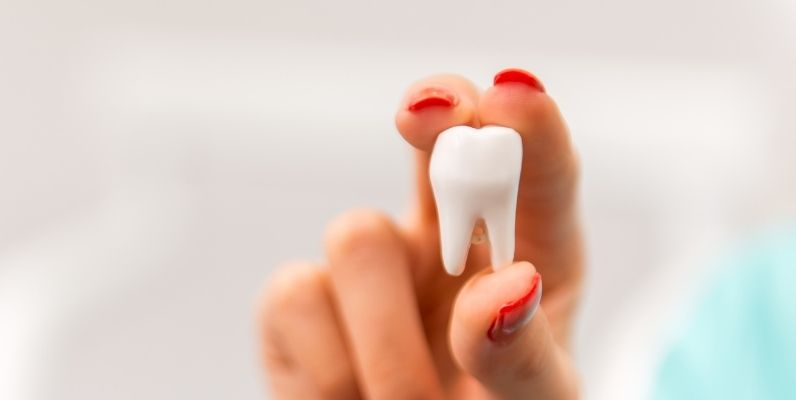
Tips for Fighting Cavities and Protecting Your Teeth
Cavities are one of those problems that feel small at first and then suddenly become hard to ignore. A little sensitivity can turn into pain, and before you know it, daily eating or drinking feels uncomfortable. The good news is that cavities are largely preventable when you understand what causes them and how to stop them early.
Tooth decay does not happen overnight. It develops when bacteria feed on sugars left on your teeth and produce acids that weaken enamel. Over time, that enamel breaks down, creating tiny holes that grow if left unchecked. Staying ahead of this process is all about consistency and smart habits.
Working with a trusted Dental care professional can make a real difference, especially when small issues are caught early. Routine checkups and personalized advice help you protect your teeth long before cavities become serious problems.
Build a Strong Daily Oral Care Routine
Brush with purpose
Brushing twice a day matters, but how you brush matters just as much. Use gentle pressure and take your time. Make sure you reach along the gumline and the back teeth, where plaque likes to hide. Rushing through brushing leaves behind bacteria that can lead to decay.
Do not skip flossing
Flossing reaches places a toothbrush cannot. Food particles and plaque between teeth can quietly cause cavities if left unchecked. Once daily flossing helps keep those tight spaces clean and healthy.
Be Smart About What You Eat and Drink
Cut back on sugar frequency
Sugary snacks and drinks feed the bacteria in the cavity. It is not just how much sugar you eat, but how often. Sipping sweet drinks throughout the day keeps acid attacking your enamel. Try to enjoy sweets with meals and rinse with water afterward.
Choose tooth-friendly foods
Foods rich in calcium and phosphorus help strengthen enamel. Crunchy fruits and vegetables also help by stimulating saliva, which naturally washes away bacteria.
Protect Your Enamel Every Day
Use fluoride wisely
Fluoride strengthens enamel and helps repair early damage before a cavity fully forms. Using fluoride toothpaste and drinking fluoridated water can add an extra layer of protection.
Avoid dry mouth
Saliva plays a huge role in protecting teeth. If your mouth feels dry, drink more water and talk to your dentist about ways to boost saliva flow. Dry mouth increases the risk of cavities.
Keep Up with Professional Care
Regular dental visits matter
Even with great home care, plaque can harden into tartar that only professional cleaning can remove. Regular exams also detect small cavities before they become painful problems.
Ask about preventive treatments
Sealants and professional fluoride treatments can offer added protection, especially for children and teens. These options help block bacteria from settling into the deep grooves of the teeth.
Simple Habits That Add Up
Pointers to keep in mind
• Drink water after meals when brushing is not possible
• Replace your toothbrush every three months
• Wear a mouthguard if you grind your teeth at night
• Pay attention to sensitivity and do not ignore it
Your Next Step Toward a Healthier Smile in longmont co
Protecting your teeth today prevents bigger problems tomorrow. At Mertz Family Dentistry, the focus is on practical care that fits real life. If you are ready to take control of your oral health, schedule your next appointment. A healthier, more confident smile starts with one simple visit.
Quick Answers for Curious Minds
Got questions? You are not alone. Here are a few common ones people ask about cavities and prevention.
How do I know if I have a cavity?
Early cavities often do not hurt. Sensitivity to sweets or cold can be an early sign, but dental exams are the best way to confirm it.
Can cavities heal on their own?
Once enamel is damaged enough to form a cavity, it will not heal on its own. Early mineral loss can sometimes be reversed with fluoride and good care.
Is brushing harder better for cavity prevention?
No. Brushing too hard can wear down enamel and irritate gums. Gentle, thorough brushing works best.
How often should I see a dentist to prevent cavities?
Most people benefit from visits every six months, but your dentist may recommend a different schedule based on your needs.