
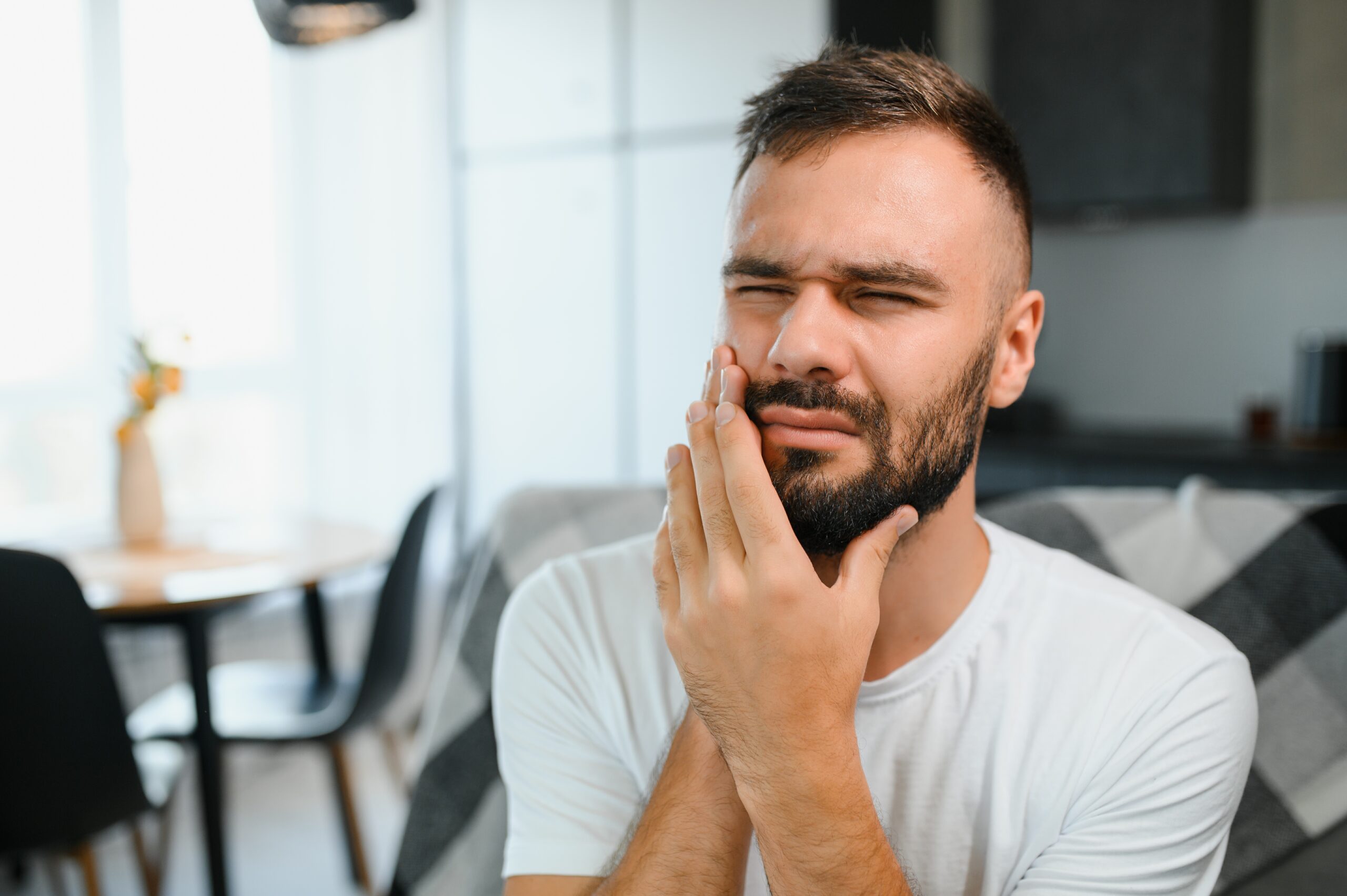
Why Do Gums Bleed Around Dental Implants?
Seeing blood on your toothbrush or floss near an implant can feel alarming, especially after investing time and money into restoring your smile. Here’s the direct answer: gums bleed around dental implants most often because of inflammation caused by plaque buildup, a condition called peri-implant mucositis, which can progress to a more serious infection known as peri-implantitis if it’s left untreated. In simpler terms, it usually comes down to bacteria irritating the tissue around the implant, much like gum disease does around a natural tooth.
That said, not every case is the same, and the reason your gums are bleeding depends on how long ago you had your implant placed, how you’re caring for it, and a few other factors we’ll walk through below.
Is Some Bleeding Normal Right After Implant Surgery?
Yes, a small amount of bleeding or oozing is completely normal in the first 24 to 48 hours after implant placement. Your gum tissue was just worked on surgically, so mild pink-tinged saliva or light spotting when you rinse is expected during that early healing window.
What’s not typical is bleeding that continues heavily past the second day, restarts after it had stopped, or comes with throbbing pain, swelling that keeps growing, or a fever. If you’re noticing any of those, it’s worth calling your dentist rather than waiting it out.
What Causes Bleeding Around Implants That Have Already Healed
If your implant has been in place for months or years and you’re suddenly seeing blood, the surgery itself isn’t the culprit anymore. Here are the more common reasons this happens.
Plaque and bacterial buildup. Implants don’t get cavities, but the gum tissue surrounding them can still become inflamed from the same bacterial film that causes gingivitis on natural teeth. This is the leading cause of bleeding around otherwise healthy implants.
Peri-implantitis. When inflammation is left unaddressed, it can spread deeper and start affecting the bone that anchors the implant. This stage is more serious because bone loss can eventually loosen the implant itself.
Brushing too aggressively. Scrubbing hard with a stiff-bristled brush can wear down and irritate the gum tissue, making it bleed even when there’s no underlying infection.
An ill-fitting crown or restoration. If the crown attached to your implant doesn’t sit quite right, food and bacteria can get trapped underneath it, leading to chronic irritation that shows up as bleeding.
Blood-thinning medications. Drugs like aspirin, warfarin, or certain supplements can make your gums bleed more easily even with normal brushing pressure.
Smoking and tobacco use. Tobacco restricts blood flow to gum tissue and slows healing, which makes the area around implants more vulnerable to inflammation and bleeding.
Uncontrolled diabetes. High blood sugar levels can weaken the body’s ability to fight off gum infections, making bleeding around implants more likely and harder to resolve.
Warning Signs That Mean You Should See Your Dentist Soon
Not all bleeding requires an emergency visit, but you shouldn’t ignore certain combinations of symptoms. Book an appointment promptly if you notice any looseness in the implant, a bad taste or odor that won’t go away, gums that look red and puffy rather than pink and firm, or pus around the implant site. These signs often point to peri-implantitis, and catching it early makes treatment far more successful.
How to Stop and Manage Bleeding Around Your Implant
If the bleeding is mild and related to plaque buildup, a few changes at home can make a real difference. Switch to a soft-bristled brush and use gentle, circular motions instead of scrubbing back and forth. Rinse with an alcohol free antimicrobial mouthwash to reduce bacteria without drying out your tissue. Floss carefully using implant-safe floss or a water flosser, since traditional floss can sometimes catch on the crown and irritate the gum line.
If you’ve made these adjustments and the bleeding hasn’t improved within a week or two, that’s your signal to get a professional evaluation rather than continuing to wait.
Preventing Bleeding Gums Around Dental Implants Going Forward
Consistent oral hygiene is the single biggest factor in keeping the tissue around your implant healthy. Beyond brushing and flossing daily, routine dental cleanings allow your hygienist to remove buildup you can’t reach at home and check that everything around the implant looks the way it should. If you smoke, cutting back or quitting will noticeably improve gum health around implants and natural teeth alike. And if you’re on blood thinners or managing diabetes, keeping those conditions well controlled goes a long way toward preventing gum problems before they start.
Don’t Let Bleeding Gums Go Unchecked, Let’s Take a Look
Bleeding around an implant is your body’s way of flagging that something needs attention, and the sooner it’s addressed, the simpler the fix usually is. If you’re noticing bleeding, swelling, or anything that doesn’t feel right around your implant, don’t wait for it to get worse. Visit our dental clinic in Longmont and let our team take a look. Reach out to Mertz Family Dentistry today, and we’ll help you get your gum health back on track