
Why Plaque Control Matters Before Tartar Forms
Most people think brushing once or twice a day is enough, but what really matters is how consistently plaque is removed before it hardens. Plaque is a soft, sticky film that builds up on your teeth throughout the day. If you ignore it, it turns into tartar, which is much harder to deal with. Understanding this early stage can save you from bigger oral health problems later.
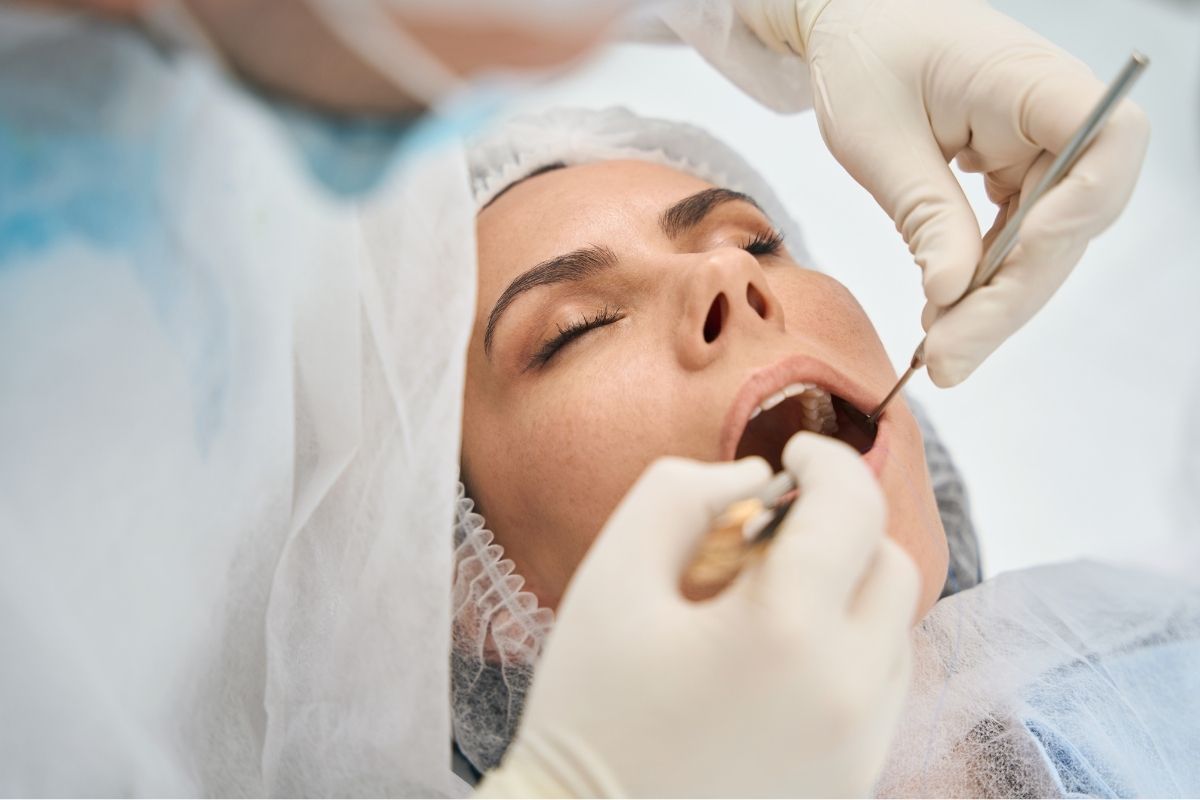
In fact, when you visit a dental practitioner for routine care, one of the first things they look for is plaque buildup, because it often signals how well daily habits are working at home.
What Happens When Plaque Turns Into Tartar
Plaque does not stay soft forever. Within about a day or two, it can harden into tartar if it is not removed. Once that happens, brushing alone will not fix the problem.
Why Tartar Is a Bigger Concern
Tartar creates a rough surface on your teeth that attracts even more plaque. This cycle makes it easier for bacteria to thrive and harder for you to keep your mouth clean.
Impact on Gums and Teeth
Tartar buildup often leads to gum irritation. Over time, this can develop into gum disease, causing redness, swelling, and even bleeding when brushing. It can also contribute to bad breath and tooth discoloration.
Everyday Habits That Keep Plaque Under Control
Small daily actions make a big difference. You do not need complicated routines, just consistency.
- Brush thoroughly twice a day
Focus on all surfaces of your teeth, not just the front. - Floss once daily
This removes plaque from areas your toothbrush cannot reach. - Rinse after meals
Even a quick rinse with water can help reduce buildup. - Limit sugary snacks
Sugar feeds bacteria that create plaque. - Replace your toothbrush regularly
A worn brush does not clean effectively.
Why Early Control Saves Time and Discomfort
Keeping plaque in check is not just about appearance. It directly affects how often you need professional care and how complex that care becomes. Once tartar forms, removal requires special tools and a clinical setting.
Regular attention to plaque can help you avoid deeper cleaning procedures and protect your gums from long-term damage. It also keeps your smile looking cleaner and feeling fresher day to day.
Take the First Step Toward a Healthier Smile
FAQs :
How quickly does plaque turn into tartar?
It can begin hardening within 24 to 72 hours if not removed.
Can I remove tartar at home?
No. Once it hardens, only a dental professional can safely remove it.
Does mouthwash help with plaque?
It can reduce bacteria, but it does not replace brushing and flossing.
Is tartar always visible?
Not always. It can form below the gumline, where you cannot see it.
How often should I get a professional cleaning?
Most people benefit from cleanings every six months, but your dentist may recommend a different schedule.