
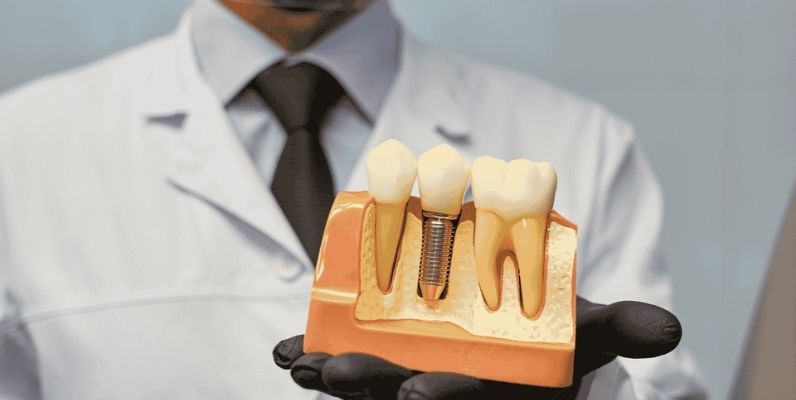
Is Your Dental Implant Failing? Key Signs
Dental implants have helped millions of people restore their smiles and regain confidence when teeth are missing. While implant treatment has a high success rate, problems can occasionally occur. Knowing the warning signs early can make a significant difference in protecting your oral health and preventing more serious complications.
If you have an implant or are considering treatment, understanding the signs of failure can help you know when it’s time to contact a dentist.
Why Do Dental Implants Sometimes Fail?
Implants are designed to fuse with the jawbone and function like natural tooth roots. In most cases, they provide long-lasting results. However, factors such as infection, insufficient bone support, smoking, poor oral hygiene, or excessive pressure on the implant can affect healing and stability.
Whether issues develop shortly after placement or years later, recognizing the symptoms is important.
Common Signs of Dental Implant Failure
Persistent Pain or Discomfort
Some soreness is normal after treatment, but ongoing pain that does not improve should not be ignored. Discomfort that appears weeks, months, or even years after placement may indicate an underlying problem that requires professional evaluation.
Swollen or Inflamed Gums
Healthy gum tissue should fit snugly around an implant. Redness, tenderness, swelling, or bleeding around the area can signal infection or irritation. Left untreated, gum inflammation can affect the supporting bone and compromise the implant’s stability.
Difficulty Chewing
An implant should feel comfortable when eating. If biting or chewing becomes painful, or if the implant feels different during normal use, it may be a sign that something is not functioning properly.
A Loose Feeling
Unlike natural teeth, implants are securely anchored into the jawbone and should not move. If the restoration feels unstable or shifts when you speak or chew, schedule an examination promptly. Mobility is one of the most concerning signs that requires immediate attention.
Gum Recession Around the Implant
When the gum tissue begins pulling away from the implant, more of the metal structure may become visible. This change can affect both appearance and oral health and may indicate underlying tissue or bone loss.
Bad Taste or Persistent Bad Breath
Ongoing bad breath or an unpleasant taste in the mouth can sometimes point to an infection around the implant. Bacteria trapped beneath the gumline may cause inflammation and damage if not treated.
Bone Loss Around the Implant
Bone loss is not always noticeable without dental imaging, but it is a serious concern. Regular dental visits allow your provider to monitor the health of the supporting structures and identify problems before they progress.
Can Implant Failure Be Prevented?
In many cases, yes. Good oral hygiene, routine dental checkups, and following professional recommendations can significantly reduce risks. Patients who have undergone Dental implant surgery should continue regular maintenance appointments to ensure the implant and surrounding tissues remain healthy.
Avoiding tobacco products, managing health conditions, and addressing teeth grinding can also help protect long-term results.
When Should You See a Dentist?
If you notice pain, swelling, looseness, gum changes, or any unusual symptoms around an implant, do not wait for the problem to worsen. Early diagnosis often allows for more conservative treatment and can improve the chances of preserving the implant.
Your Smile Deserves Prompt Attention
Concerned about changes around your implant? The team at Mertz Family Dentistry is here to help. If you are experiencing symptoms or simply want peace of mind, schedule a professional evaluation today. Visit our Longmont dental clinic for personalized care and expert guidance. Whether you need answers about implant health or a comprehensive dental assessment, our team is committed to helping patients in Longmont maintain healthy, confident smiles. Contact Mertz Family Dentistry today and take the next step toward protecting your oral health in Longmont.
Frequently Asked Questions :
- How common is dental implant failure?
Dental implants are highly successful, but failures can occur due to infection, poor healing, bone loss, or excessive pressure on the implant. - Can a failed implant be replaced?
In many cases, yes. Your dentist can evaluate the area and determine whether replacement is possible after addressing the underlying issue. - Does implant failure happen immediately?
Not always. Some problems occur during healing, while others may develop months or years after placement. - Is pain always a sign of failure?
Not necessarily. However, persistent or worsening pain should be examined by a dental professional. - How often should implants be checked?
Regular dental exams and cleanings are essential for monitoring implant health and identifying potential concerns early.