
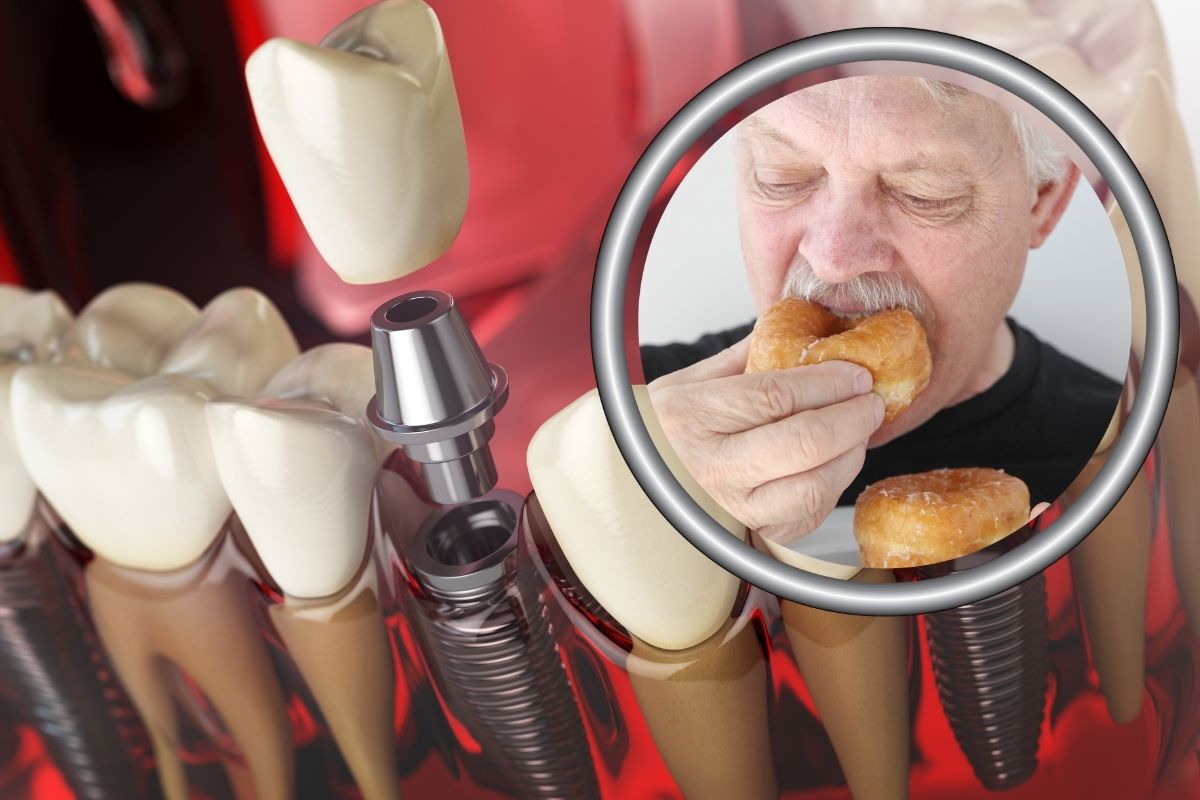
What to Eat (& Skip!) Following Dental Implants: Easy Recovery Diet
Here at Mertz Family Dentistry, we want you to feel at ease before, during, and most of all after your dental implant. One of the most frequent things we get asked post-surgery is, “What can I eat now?”
In truth, what you place on your plate significantly affects your comfort, the rate of healing, and the success of the implant. Proper food intake can aid in tissue repair, ease inflammation, and avoid complications such as infection or dislodged blood clots.
Having chosen dental implants in Longmont, CO, as the most suitable missing teeth treatment, here’s your quick reference book for an easy, hassle-free recovery—beginning with your very first meal. Remember, your active participation in this recovery process is crucial.
Top Foods to Consume After Dental Implants
Selecting the proper foods is not about comfort food alone—it’s about preserving the area of your implant, minimizing the risk of complications, and providing your body with the fuel it requires to heal. This section addresses the textures, the nutrients, and the timing of when and what to eat. Let’s do it in bite-sized steps.
The First 24–48 Hours: Your Liquid & Soft Food Diet After Dental Implant Surgery
Those first two days are critical. Your mouth needs a calm, pressure-free environment to start healing. During this time, you should stick to liquids and ultra-soft foods only.
Best choices:
- Lukewarm broth or pureed soups
- Protein shakes (no straw!)
- Unsweetened applesauce
- Mashed bananas
- Oatmeal or cream of wheat (cooled slightly)
- Yogurt or kefir
Steer clear of hot, spicy, carbonated, or chewy foods. Drinking with straws can dislodge blood clots and cause dry sockets, which hurts as much as it sounds.
- 🔎Pro Tip: Clot dislodgement is one of the leading reasons for impaired implant healing, says the National Institute of Dental and Craniofacial Research—so stay slow and gentle.
What can I eat right after dental implant surgery?
For the initial 24 to 48 hours, stick to cool liquids and soft purees. Yogurt, smoothies (without a straw), warm broth, and applesauce are all good options. Steer clear of any chewing and spicy, hot, or crunchy foods that can irritate the surgical site.
Soft & Delicious: The Perfect Diet for the Next Week
When the swelling begins to decrease and the discomfort goes away, you can try a greater variety of soft and satisfying foods. This phase of your diet maintains your energy, lessens inflammation, and gradually tests your healing mouth.
Soft yet satisfying:
- Scrambled eggs with soft avocado
- Mashed sweet potatoes or cauliflower
- Smoothies with almond butter and Greek yogurt
- Flaky white fish or tender salmon
- Soft pasta with pureed sauces
- Ricotta-stuffed ravioli or gnocchi
Nutrients for Healing: What Your Body Needs Most
Though texture is crucial, nutrient quality is equally vital. opt for:
- Protein: accelerates tissue repair and aids in infection fight
- Vitamin C: promotes gum repair (citrus substitutes: bell peppers, broccoli)
- Calcium & Vitamin D: fortify bone surrounding the implant
- Zinc: minimizes inflammation and enhances tissue repair
Simple substitutions—such as mixing mashed spinach into scrambled eggs or a spoon of flaxseed into a smoothie—make a big difference.
Gradually Reintroducing Foods After Dental Implants
Once healing is progressing well, usually around 10–14 days, and your dentist gives the go-ahead, you can begin to introduce slightly firmer foods—but teach them very slowly. Remember, patience is key in this process.
Begin with:
- Soft Rice
- Cooked beans
- Pulled chicken or turkey, softened.
- Soft toast (edges cut off)
- Pancakes with applesauce
Chew opposite the implant and never bite down directly on food. If you sense anything amiss—such as more pressure, tenderness, or pain—stop and return to softer foods.
When can I resume eating everyday foods after a dental implant?
Most people can reintroduce firmer foods gradually after 10–14 days, beginning with soft solids such as rice, pasta, and very tender meats. However, harder or crisper foods should be avoided for a few weeks unless your dentist says it’s OK.
We receive this question frequently. And trust us? Not immediately. Crusty pizza can be chewy and might strain your recovering gum tissue too much.
✅ When it’s OK: Typically around 4–6 weeks, but only if your dentist says it’s OK and you’re eating a soft crust. Otherwise, treat yourself to soft polenta, lasagna, or crustless pizza bakes!
When Can I Have Steak Again?
If you’re feeling steak, we understand—it’s tasty. But you’ll have to wait. The steak is hard and needs to be heavily chewed.
✅ Most patients can eat steak safely around 2–3 months after surgery—after the implant has fully bonded and soft tissues have healed. Always mince it into small bites and chew on the non-implant side.
20+ Easy Recipes for Your Dental Implant Recovery
We enjoy getting patients comfortable cooking in the kitchen once again. Below are some suggestions to make at home:
- Protein-rich scrambled eggs with spinach.
- Sweet potato and apple soup
- Mashed cauliflower topped with shredded cheese
- Parfait of fruit and Greek yogurt
- Baked salmon with mashed peas
- Banana oatmeal smoothies
- Cottage cheese and soft fruit bowl
For more, visit our downloadable Post-Implant Recipe Guide in the resources section of our website.
Troubleshooting Your Post-Implant Diet: Discomfort, Nausea & Dehydration
Eating after oral surgery is not always simple. You may find yourself with:
- Nausea: Sip ginger tea or snack on plain, mashed potatoes
- Loss of appetite: Take small, frequent meals such as pureed soups or smoothies
- Dry mouth: Keep yourself well-hydrated with cool water, herbal teas, and water-rich foods
- Painful chewing: Go back to liquids and notify your dentist if pain increases
If in doubt, the best bet is to call your dentist before moving on with your diet.
What happens if I experience pain while eating after implants?
Return to soft, warm foods and drink plenty of fluids. Steer clear of chewing close to the implant area, and follow up with your dentist if pain continues or, worse, gets worse unexpectedly.
Long-Term Diet for Dental Implant Success
Following the recovery stage, your diet is still relevant. To safeguard your investment, embrace long-term eating habits that promote implant health and jawbone density. This includes consistently consuming calcium-rich foods, opting for lean proteins instead of sugary treats, restricting sugar intake to maintain healthy gums, staying hydrated with water, and scheduling regular check-ups with your Dentist in Longmont, CO, every six months.
Maintain these habits:
- Consume calcium-rich foods consistently
- Opt for lean proteins instead of sticky sweets.
- Restrict sugar intake to keep your gums healthy.
- Stay hydrated with water.
Regular check-ups with your Dentist in Longmont, CO, every six months are crucial for maintaining the health of your dental implant. Your dentist can monitor the condition of your implants and provide early intervention if any issues arise. Don’t skip these appointments.
Don’t use your implant to crack open nuts or pry open packages. Your new smile is robust—but not invincible.
Let’s Make Healing Simple
Recovering from dental implants doesn’t have to be complicated. With the right food choices, a little planning, and our expert support, you’ll be back to eating your favorite meals in no time.
We’re honored to be the trusted dental clinic in Longmont, CO, assisting patients such as you in healing well and smiling big. Whatever it is you wonder about what to eat or when to eat it, or if you just want the correct answers without Googling till midnight—we’ve got you covered.
Call Mertz Family Dentistry today to inquire about your recovery plan or schedule a follow-up appointment. We’re here to ease your recovery, answer your questions, and strengthen your smile.
If you are looking for a Dentist Near 80503 or need a team that genuinely cares, we are here to assist.
Longmont Dentists such as ourselves are here to walk you through each bite, each step, each smile.