
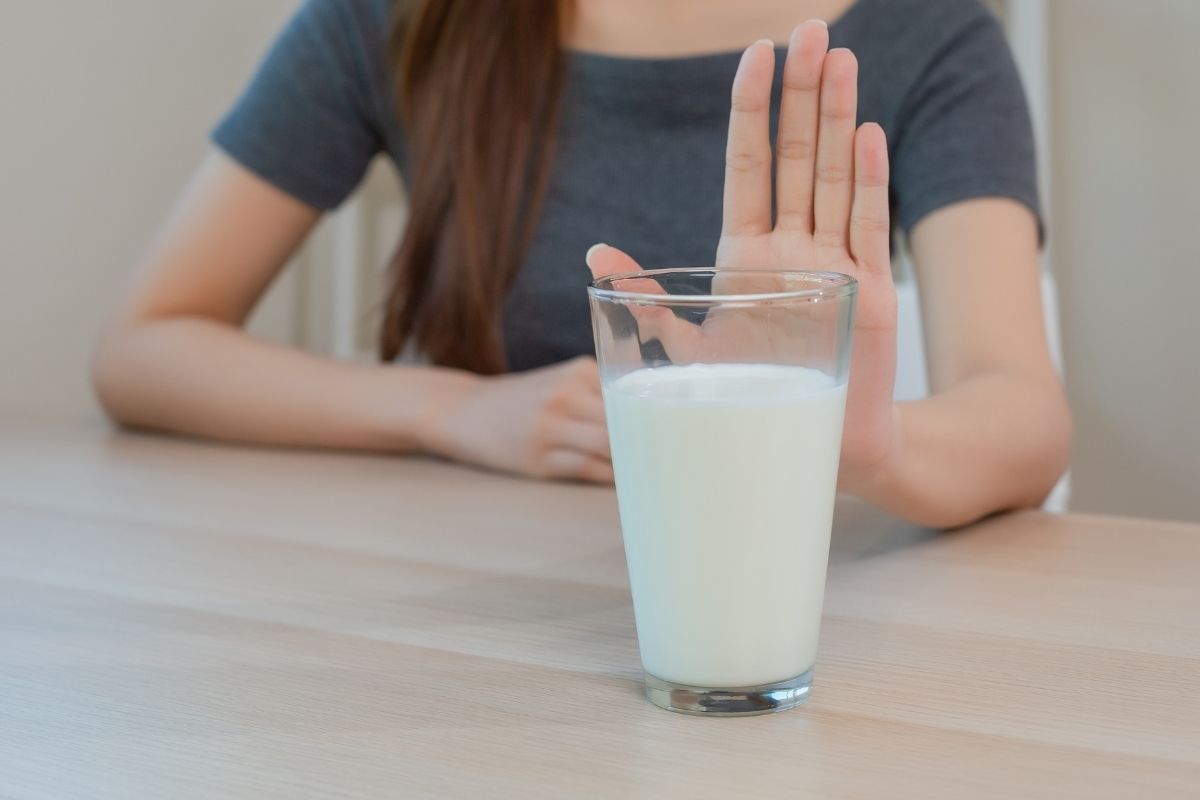
Is drinking milk good after tooth extraction? Yes, for most people, it is. Milk is soft, easy to drink, and provides nutrients that support healing after a tooth is removed. However, it is not the right choice for everyone. If you feel nauseous after sedation, are lactose intolerant, or your dentist recommends a different diet, you should wait before drinking milk. Following the right aftercare is the best way to support a smooth recovery.
Can You Drink Milk After a Tooth Extraction?
For many patients, the answer is yes. Milk is easy on the mouth because it does not require chewing and is less likely to irritate the healing area than crunchy or spicy foods.
If your stomach feels normal after your procedure, a cool glass of milk can be a comfortable option starting the same day. Sip it slowly and avoid using a straw — suction can disturb the blood clot protecting the extraction site and lead to a painful complication called dry socket. Stick to cool or room-temperature milk rather than hot drinks; heat can increase blood flow to the area, which may irritate the wound and encourage bleeding.
Always follow the specific instructions your dentist gives you, since recovery recommendations can vary depending on your treatment.
Is Milk Good for Healing? What to Pair It With
Milk contains several nutrients that help your body recover:
- Protein for tissue repair
- Calcium to support strong teeth and bones
- Vitamin D to improve calcium absorption
- Fluids that help maintain hydration
But milk works best as part of a broader soft-food diet, not as a stand-in for meals. Good pairings during the first few days include:
- Yogurt
- Applesauce
- Mashed potatoes
- Scrambled eggs
- Oatmeal
- Cottage cheese
- Smooth soups after they have cooled
Most people benefit from sticking with soft foods for several days, then gradually reintroducing firmer foods as chewing becomes comfortable.
When Should You Avoid Milk After Tooth Extraction?
There are a few situations where it’s better to wait or skip it altogether:
- You feel nauseous after sedation. Dairy can upset an unsettled stomach — start with water or other clear liquids until you feel better.
- You have a dairy allergy or are lactose intolerant. Fortified oat, almond, or soy milk are reasonable substitutes that still offer calcium and vitamin D without the digestive discomfort.
- Your dentist gave different aftercare instructions. Always defer to their guidance over general advice.
What About Milkshakes and Smoothies?
Milkshakes and smoothies are often lumped in with “drinking milk,” but they carry extra risk right after an extraction. They’re usually consumed through a straw, which brings back the suction problem that can cause dry socket. They also tend to be thick, cold, and sometimes contain seeds, nuts, or fruit chunks that can lodge in the socket. If you want the nutrition of a milkshake, drink it slowly with a spoon instead of a straw, and keep add-ins smooth.
Foods and Drinks to Avoid After Tooth Extraction
Certain foods and drinks can delay healing or increase irritation. It’s best to avoid:
- Hot foods and drinks
- Hard or crunchy snacks
- Sticky foods
- Spicy meals
- Alcohol
- Carbonated beverages during early healing
- Drinking through a straw
These precautions help protect the blood clot and lower the risk of complications like dry socket.
When Should You Call Your Dentist?
Mild discomfort and swelling are expected after an extraction. However, contact your dentist if you notice heavy bleeding that doesn’t stop, severe pain after several days, increasing swelling, fever, or drainage from the extraction site. Early treatment can prevent more serious problems.
Healing Starts With the Right Care
A successful recovery depends on following the right aftercare instructions and knowing what foods are safe during healing. For more guidance on what to expect in the days after your procedure, [see our full tooth extraction recovery guide]. If you have questions about your recovery or need personalized guidance, contact Mertz Family Dentistry in Longmont. Our team is here to help you heal comfortably and protect your smile.
Frequently Asked Questions :
1. Can milk cause dry socket?
No. Milk does not cause dry socket. The main risk comes from using a straw or creating suction, which can dislodge the protective blood clot.
2. How long should I eat soft foods?
Most people should stick to soft foods for a few days before slowly returning to their normal diet. Your dentist will recommend the best timeline based on your healing.
3. Can I have a milkshake or smoothie after my extraction?
Yes, but avoid using a straw. Eat it with a spoon and skip ingredients like nuts, seeds, or fruit pieces that could irritate the extraction site.
4. How soon can I drink milk after tooth extraction?
You can usually drink milk within a few hours if you are not nauseous and your dentist has not advised against it. Drink from a cup and choose cool or room temperature milk.
5. Is it okay to drink chocolate milk after tooth extraction?
Yes, chocolate milk is generally fine in moderation if your stomach feels normal. Since it contains added sugar, plain milk is a better choice during the first few days of healing.