
What Causes Tooth Decay and How Can We Stop It?
Tooth decay and cavities are common dental problems among millions. While anyone can develop cavities, they’re more common among teenagers, children, and older adults. If not treated, cavities and tooth decay can lead to severe pain, gum swelling, infections, jawbone problems, and even tooth loss.
Fortunately, excellent oral hygiene and early treatments can help prevent all these. In this article, let’s learn more about the common causes, symptoms, risks, and treatments for tooth decay.
Symptoms of Tooth Decay
Typically, the signs or symptoms of tooth decay can vary based on their location and severity. In the early stages, cavities or tooth decay barely shows any symptoms. As it gets deeper, you’re likely to notice several symptoms such as:
- Sensitivity to heat and cold temperatures
- Toothaches without any apparent cause
- Tooth pain when chewing, brushing, or touching a specific tooth
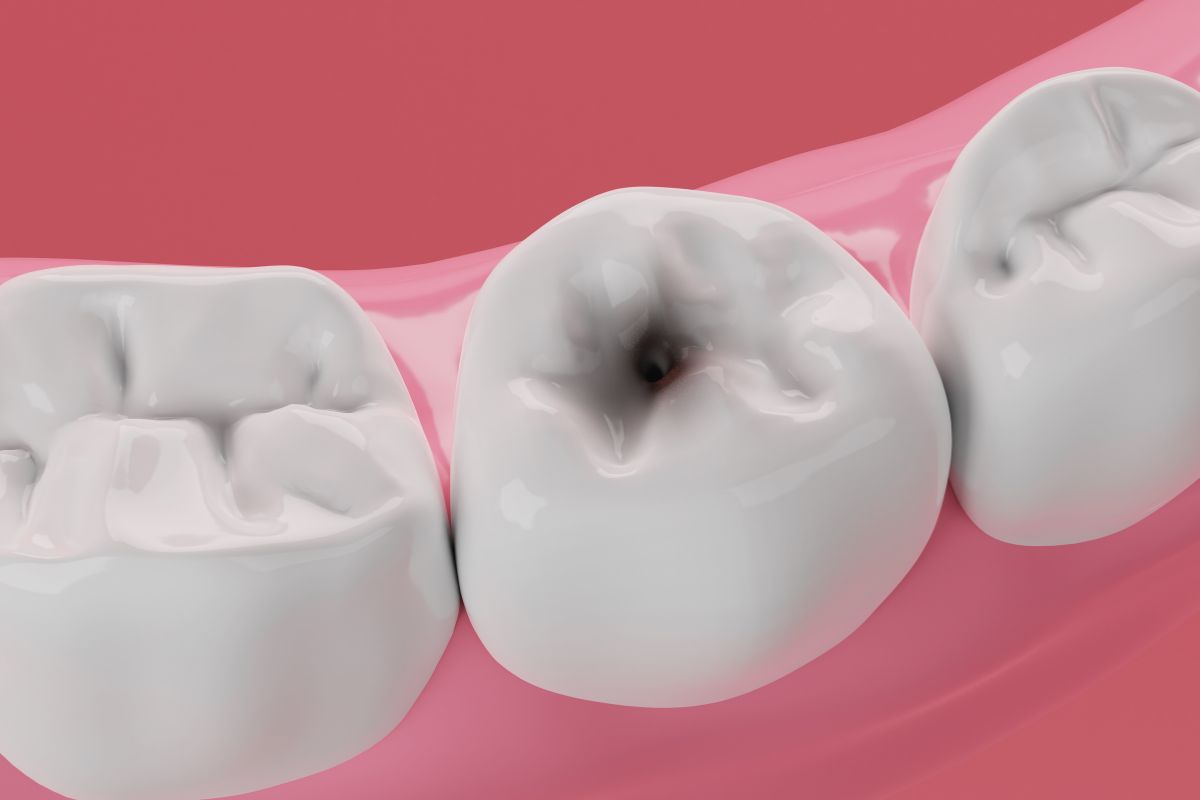
- Visible pits or holes in a tooth
- Gum swelling or abscess around a painful tooth
- Staining on the surface of a painful tooth
- Unexplainable lousy breath or taste in the mouth
- Facial swelling
- Sore, bleeding, or red gums
See your dentist or visit Longmont dental clinic as soon as possible if you have any of these symptoms. Similarly, routine dental assessments can help detect and treat tooth decay early to prevent severe symptoms and long-term damage.
Based on the severity of the decay or caries, the dentist can recommend the following treatments:
- Root canal therapy
- Dental fillings
- Dental crowns
- Dental bonding
- Dental inlays and Onlays
- Tooth extractions
Causes of Tooth Decay
Cavities or tooth decay can develop due to several reasons, including:
- Poor oral hygiene
Your mouth naturally has good and bad bacteria. The harmful bacteria are limited and unlikely to cause any harm. However, poor dental hygiene can encourage an overgrowth of these harmful bacteria in the mouth.
These bacteria mix with food particles and other debris to form bacterial plaque (a clear sticky film that forms on the teeth). If not cleaned off quickly, plaque hardens on the teeth and around the gums to form tartar or calculus. Unfortunately, you can’t eliminate tartar through regular brushing. You need professional cleaning.
Over time, bacterial plaque and tartar release harmful acids into the teeth, weakening the enamel and causing tiny holes. Once the enamel is compromised, the inner structures of the teeth are exposed to more bacteria and acids. Eventually, the bacteria irritate and infect the pulp that contains the tooth’s nerves and blood vessels, causing decay and discomfort.
- Sugary, starchy, and acidic items
Bacteria thrive well in a sugary environment. Regular snacking on sugary and starchy items like sweets, soda, fries, and candy can encourage bacterial growth in the mouth. These bacteria release harmful acids into the teeth, eventually leading to cavities and decay. Acidic items such as citrus fruits and apple cider vinegar can cause enamel erosion, increasing your risk of decay or cavities.
- Dental trauma
Dental damage, such as chips, cracks, and breaks, can expose the tooth’s pulp to bacteria, leading to tooth decay. Avoid chewing hard items like ice and nails to prevent tooth damage.
Risk factors
While everyone can develop decay, the following factors can increase your risk, including:
- Your back teeth contain tiny pits and grooves, making it easier for food particles to get trapped. These teeth are also harder to clean, making them more susceptible to decay.
- Regular snacking, especially on sugary, starchy, chewy, and sticky foods and beverages such as milk, ice cream, soda, dried fruits, cookies, mints, hard candy, and chips, can increase your risk of decay.
- Pregnancy
- Underlying health conditions like diabetes and GERD
- Lack of enough fluoride
- Younger and older adults are more likely to develop decay than middle-aged individuals.
- Dental restorations such as braces and dentures
- Damaged dental restorations like fillings and crowns
- Inadequate brushing and flossing
Tips for stopping or preventing tooth decay
Use these preventive dental care tips to stop or prevent tooth decay:
- Brush gently and thoroughly at least twice daily. Use fluoride-based toothpaste and a soft-bristled toothbrush.
- Floss at least once daily.
- Schedule routine dental check-ups and cleanings. It will help clean your mouth to prevent tooth decay, gum disease, and other oral concerns. Regular exams help spot dental concerns early when treatment is more successful and easier.
- Dental sealants. Applying sealants smoothens the chewing surfaces of the back teeth, significantly reducing the risk of plaque development and cavities.
- Avoid frequent snacking. If you must, be sure to rinse your mouth.
- Eat tooth-healthy foods.
- Get timely treatment. Seek treatment as soon as you notice a dental problem.
Schedule an Appointment Today
Do you need more information about preventive dentistry? Or perhaps you need treatment for tooth decay? Contact Mertz Family Dentistry to speak with our dentist in Longmont.